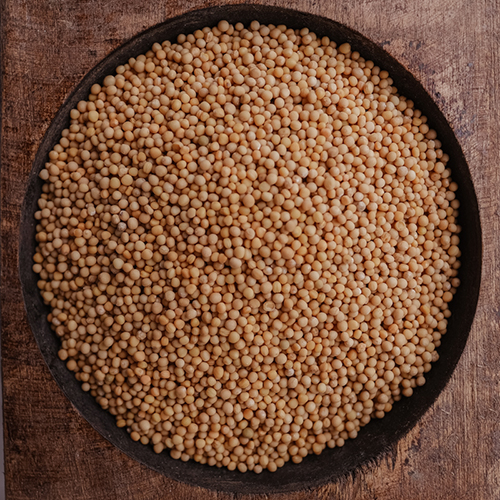
Mustard Seed Yellow Organic

Yellow mustard seed, Sinapis alba, is also known as white mustard, although its round seeds are usually pale yellow or tan. Native from Europe across western and central Asia to China, mustard has seasoned food since ancient times. Romans are credited with carrying mustard traditions into Western Europe. European folklore gave these tiny seeds a protective nature: in one Danish tradition, mustard seed was scattered through the home to keep troublesome spirits away.

Whole yellow mustard seed has a mild warmth that becomes more noticeable when the seeds are crushed and mixed with liquid. Use it in pickling brines, relishes, sauerkraut, chutneys, beans, curries, salad dressings, spice rubs and homemade mustard. In

Older household herbals also ground mustard into warming plasters, although these could irritate  the skin so be careful and learn how to use mustard packs.          4oz.  –  $3.25

Resources

Royal Botanic Gardens, Kew. Plants of the World Online: Sinapis alba L. – Flora of North America. Sinapis alba—White Mustard. – Apicius. De Re Coquinaria, including Roman recipes prepared with mustard seed. – McCormick Science Institute. Mustard: History, Traditional Uses and Folklore. – Smithsonian Folklife Festival. “A Taste of Appalachia.” – The Foxfire Book of Appalachian Cookery, including an Appalachian chow-chow recipe made with yellow and white mustard seed. – Lloyd Library and Museum. “Mustard, Medicine and Health.”       

$3.25

Availability: 5 in stock

- +
Scroll to Top